
Eating healthy and cheap: the complete guide to easy and economical recipes
You can eat well, quickly, and on a budget—without sacrificing your health or enjoyment. We’ll show you how to cook at home using simple ingredients, healthy recipes, and meals that can be prepared in under 30 minutes (or even 15 minutes for those in a hurry), along with weekly meal plans that work around your study schedule, help you stay focused, and are easy on your wallet. This guide to balanced eating supports you every day, from breakfast to dinner, for healthy, sustainable, and truly affordable student meals.
Student Grocery List: Must-Haves
Check off what you already have in your cupboards, fridge, or freezer.
The idea: keep a simple stock of ingredients on hand so you can easily prepare several
healthy and budget-friendly meals.
Strategy & Organization: The Secret to Staying on Budget
The Winning Formula: Health, Time, and a Tight Budget
Eating a balanced diet isn’t a luxury—it’s a key to success in your student life. A healthy diet supports concentration, physical energy, success in studying, stress management, and immunity thanks to vitamins, minerals, fiber, and protein. The myth that “junk food is cheaper” quickly falls apart: a simple homemade meal made with starchy foods, seasonal vegetables, eggs, or legumes often costs less than €2 per person. A bowl of rice, chickpeas, and tomatoes, with a drizzle of oil, salt and pepper, lemon juice, and fresh basil, is a complete, nutritious meal rich in fiber and plant-based protein—and it keeps you full for long study sessions.
To stay on track, think “staple + vegetable + protein + healthy fats.” The base consists of starchy foods like pasta, rice, coquillette pasta, potatoes, sandwich bread, shortcrust pastry, and pizza dough. Protein sources include eggs, canned tuna, chickpeas, lentils, beans, chicken, a little cheese, or ham and cheese if you want a quick option. Fats include olive oil, avocado, fresh cheese, a small amount of crème fraîche, and coconut milk. Add spices for flavor, limit ultra-processed foods, and shop around for the best prices by comparing staple items.
7 Surefire Tips for Cheaper Grocery Shopping
- You’ll save money right from the start by making a shopping list to avoid improvising and impulse buys.
- Buy rice, pasta, legumes, and spices in bulk.
- Choose seasonal vegetables—they’re tastier and cheaper.
- Opt for store brands for milk, tomato sauce, canned tuna, cream, and shredded cheese.
- Plan your balanced meals for the week before heading to the store: you’ll buy only what you need and reduce food waste.
- Cook large quantities over low heat, store leftovers in the fridge or freezer, and turn them into healthy, delicious, and quick meals. Leftovers like potatoes can be turned into a warm salad with onions, red cabbage, and light soy sauce, or a quick gratin with a little cheese. Stale bread can be repurposed into a ham-and-cheese croque-monsieur, pan-fried French toast, or breadcrumbs to top an inexpensive dish.
- Sunday batch cooking saves you time in the kitchen all week long: you prepare, you get ahead, you succeed. 😊
Staples & Quick Recipes: Eggs, Pasta, Legumes
Eggs: Protein for Less Than One Euro
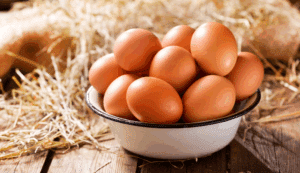 Eggs are the perfect staple for student cooking. Nutritious and rich in complete proteins, vitamins, and minerals, they cook quickly and go with everything.
An omelet with seasonal vegetables (zucchini, mushrooms, onions, tomatoes, bell peppers, spinach, broccoli, fennel) takes just 6 minutes to prepare; top it with fresh cheese, and it becomes a healthy meal when served with a green salad and a slice of bread. The microwave-baked egg is a simple recipe that saves the day for dinner or lunch: in a mug, add a tablespoon of crème fraîche, one egg, salt and pepper, herbs, a little grated cheese, microwave for 45 seconds, and it’s ready. Want a twist on the classic croque-monsieur? Use sandwich bread, a fried egg, tomato sauce, cheese, give it a quick sear in a skillet, and you’ll have a pizza-style croque-monsieur that’s delicious and budget-friendly.
Craving a “healthy” breakfast that’s ready in a minute? The banana-oat-egg mug cake is quick, high in fiber and good nutrients, and perfect before class. You can also make scrambled eggs with coconut milk and mild spices for an exotic twist. Each healthy recipe is inexpensive, keeps you full, and helps you maintain your energy while studying.
Pasta, rice, potatoes: the versatile trio
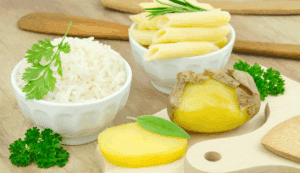 Pasta is the star of the student meal: easy to prepare, quick, and affordable. One-pot pasta is the best idea when you’re short on time. In a saucepan, combine the pasta, chopped tomatoes, onion, garlic, water, salt, pepper, spices, a splash of coconut milk, or a little cream cheese; cook over low heat for 10 minutes, and it’s ready. Spaghetti with tuna and mushrooms is ready in a flash: a can of drained tuna, canned or fresh mushrooms, tomato sauce, pepper, and basil—and you’ve got a tasty dish. Another quick option: linguine with Parmesan, peas, and pepper—a meal ready in 12 minutes that’s high in fiber thanks to the legumes.
Rice is an ideal base for a nutritious bowl: rice salad with pesto, tuna, avocado, tomato, red onion, lemon juice, and a drizzle of oil—and you’ve got a balanced meal that’s convenient to take to school. Potatoes can be made into a quick gratin (sliced potatoes, milk, a little cream, grated cheese—baked in the oven if you have one, or cooked in a covered skillet over low heat) or a warm salad with herbs and crunchy vegetables. For oven-free cooking, use the microwave: cook a potato in 7 minutes, then top it with cheese, tuna, yogurt, and chives.
Legumes: the healthy alternative to animal protein
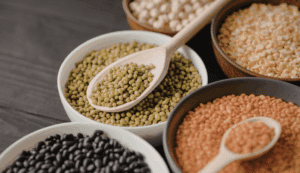 Chickpeas, lentils, red and white beans, and green peas are inexpensive staples that are rich in protein, fiber, minerals, and vitamins. They’re perfect for a balanced, sustainable diet. You can make green pea, carrot, and feta patties with an egg and a little flour; pan-fried, they’re golden, crispy, and great in a sandwich. Also try a tuna and chickpea poke bowl with rice, avocado, red cabbage, light soy sauce, and lemon juice. For dinner, a red lentil soup with coconut milk, spices, and onion is quick to make and warms you up without breaking the bank. And if you want a healthy snack, rinse some canned chickpeas, pat them dry, season them, and pan-roast them: crispy, flavorful, and zero waste.
Aside from legumes, you can also turn to vegetarian protein alternatives like tofu, tempeh, and seitan.
Planning & tips: organization saves money
Example of a balanced and economical weekly menu
Here is a simple student menu for a hassle-free week, with quick and easy recipes, most of which are ready in less than 15 minutes.
This menu is based on common staples to save money: a large bag of rice, a package of pasta, a can of tuna, eggs, chickpeas, tomatoes, onions, milk, cheese, coconut milk, and a few spices. You make a single shopping list, buy in bulk, cut down on costs, save time in the kitchen, and stay on track with a balanced diet without breaking the bank. If you have an oven, that’s a plus, but everything can also be cooked in a skillet or the microwave. When you have leftovers, repurpose them: leftover tomato sauce becomes a pizza sauce base; yesterday’s rice becomes a salad; cooked vegetables can be blended into soup. This anti-waste trick is a lifesaver for a student budget.
Apps, Discounts & Hosting Friends on a Budget
To eat healthy, combine quick, inexpensive recipes with great deals. Food-waste-reducing apps let you buy fruits, vegetables, bread, and healthy ready-to-eat meals at discounted prices at the end of the day. Your student ID often unlocks local discounts; ask around at the market to take advantage of last-minute deals before closing time. The CROUS and student financial aid can ease the strain on your food budget; check your eligibility and don’t hesitate to apply—it’s there for you.
Hosting friends on a tight budget is both possible and fun. Prepare a “homemade” appetizer spread with these twelve easy ideas: sliced white bread topped with tomato sauce and cheese, mini ham-and-cheese croques, tuna rillettes with lemon, vegetable sticks with fresh cheese, and a savory cake made with leftover vegetables. For the main course, serve a large mixed salad (quinoa or rice salad, for example) or a build-your-own bowl with a base of cooked rice, pasta, or quinoa, plus legumes, vegetables, and a yogurt-lemon dressing—everyone helps themselves. If you have a griddle or a grill, use a simple lemon-and-pepper marinade for the chicken, grill some vegetables, and serve slices of bread rubbed with garlic—and you’ll treat everyone to a delicious meal for less than €5 per person. The key is to choose basic ingredients and use them in a variety of balanced yet satisfying recipes: it’s simple, quick, and you keep costs under control.
Small budget, big meals: it’s up to you!
Want even more quick-to-prepare ideas to mix up your menu? Here are some options you can try as early as this week, without a complicated shopping list or spending a lot of time in the kitchen. The “Tortilla Hack” chicken wrap: tortilla, cooked chicken, tomato, avocado, cheese—fold it in four, cook in a skillet for two minutes, and it’s crispy. The radish, peas, and goat cheese bagel for a fresh and nutritious lunch. Chinese noodles with vegetables and spices, drizzled with soy sauce—ready in ten minutes flat. Red cabbage salad with cucumber, apple, onion, lemon juice, and a little oil—it’s crunchy and packed with vitamins. “Leftovers Fried Rice”: cooked rice, egg, finely diced vegetables, a little soy sauce, and pepper—all tossed in a skillet. The “Potato + Tuna + Corn + Cream Cheese” bowl, perfect after a workout. Quick shortcrust pastry filled with leftovers and beaten egg makes for a hassle-free quiche—even without an oven, just using a covered skillet over low heat.
For dessert and a sweet treat, the chocolate-banana mug cake is great for boosting your spirits during exam season; it’s quick and balanced if you measure the ingredients right. Add a piece of fruit (e.g., cherry, strawberry, figs…) and some plain yogurt, and you’ll maintain your energy without a sugar spike. The idea is to put together nutritious, healthy, affordable, and varied student meals without buying too many different items. Shop smart, cook easily, and make the most of your year, your friends, and your studies.
Finally, don’t forget to stay hydrated and eat regular meals. A simple breakfast with bread, fresh cheese, fruit, and a hot drink gets you off to a good start. A balanced lunch helps you stay focused until the evening. A light dinner, rich in vegetables and fiber, helps you sleep better. This is the “healthy” foundation for feeling good in your student life, without strict diets or pressure. Your kitchen becomes a space for freedom: you experiment, you adjust, you improve.
If you’re wondering where to start, pick two or three healthy recipes, prepare them quickly in advance, and keep portions ready for the week. You’ll soon see the savings on your budget, the reduction in stress, and the pleasure of eating a tasty homemade meal. Many of the ideas above are ready in under fifteen minutes and are inexpensive. You can even make a chart of your go-to dishes to save even more time.
We’re here to help you move forward, hassle-free. Start with a base, add a vegetable, choose a protein, season wisely, and enjoy. Your best recipes will come from your daily life, your cravings, and what you already have in the pantry. You don’t cook to be perfect, but to treat yourself, succeed in your studies, and bring good cheer to the table. Bon appétit ✨🍅🥑🍚🥖